How to Set Up a Cat-Friendly Room in 2026: 9 Pro Tips That Work
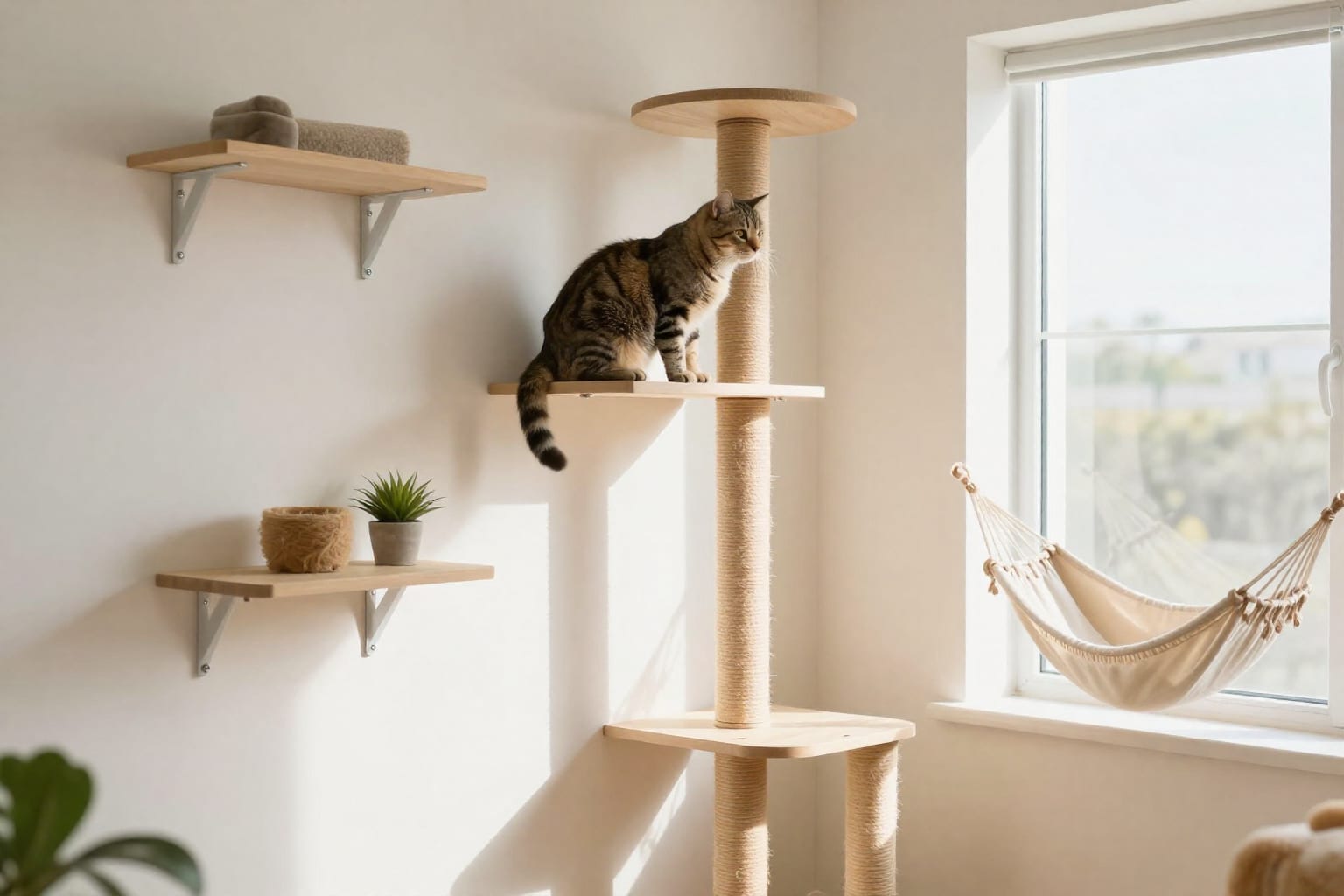
Last week I walked into my spare bedroom — the one I’d spent three weekends turning into a cat paradise — and found my cat, Mochi, curled up inside a delivery box in the closet instead. That’s when I realized that even a perfectly planned cat room can miss the mark if it doesn’t match how a cat actually thinks. After that humbling moment, I reworked every shelf, bowl, and scratcher based on what Mochi actually used — and what she ignored. Here are nine pro tips for setting up a cat-friendly room in 2026 that your cat will actually love, not just tolerate.
Why a Dedicated Cat Room Matters in 2026 (Even in Small Homes)
If you’ve ever watched a cat stare at a blank wall for ten minutes, you know they need more than just a bowl and a bed. In 2026, more cat behaviorists agree that a dedicated room — even a small one — reduces stress, prevents destructive scratching, and gives your cat a sense of territory that’s entirely theirs. I live in a 750-square-foot apartment, and my cat’s room is a converted 6x8-foot den. It’s not huge, but it works because I prioritized vertical space and hiding spots over floor area. The key insight is that cats don’t need square footage; they need functional territory: places to climb, hide, scratch, watch, and sleep undisturbed. A dedicated cat room also helps if you have multiple cats, a new kitten, or a cat recovering from illness — it gives them a safe zone where they can retreat without competition.
Tip #1: Choose the Right Room or Zone — Not Just a Corner
The best room for a cat is quiet, has natural light, and is separate from high-traffic areas like the kitchen or living room. Avoid basements or garages unless they’re fully climate-controlled, well-lit, and free of toxins (antifreeze, pesticides, or car chemicals). In my own setup, I chose the spare bedroom that faces east — morning sun streams in, but it stays cool in the afternoon. If you don’t have a spare room, a walk-in closet (with the door propped open or a cat flap) can work, or even a dedicated corner of your home office with a tall cat tree and a privacy screen. The rule: your cat should be able to reach their room without crossing a dog’s path or a toddler’s play zone.
Tip #2: Vertical Territory Is Non-Negotiable (Think Cat Superhighways)
Cats are semi-arboreal by nature — they feel safest when they can look down on their environment. Vertical territory reduces stress, especially in multi-cat homes, because it lets cats avoid conflict by taking different levels. I installed three floating wall shelves at different heights, plus a tall cat tree that reaches within a foot of the ceiling. The shelves form a “cat superhighway” around the room’s perimeter, so Mochi can patrol without ever touching the floor. If you’re on a budget, even a single sturdy shelf with a non-slip mat can make a difference. For multi-cat homes, aim for at least one vertical escape route per cat — that means shelves or perches that are high enough that a lower cat can’t jump up easily.
Tip #3: Litter Box Placement That Respects Feline Privacy
In a cat room, the litter box should be placed in a quiet corner away from the door, food, and water. I made the mistake of putting it near the window at first — Mochi would scratch the wall trying to bury her business because she felt exposed. Now it sits behind a small privacy screen (a cheap folding room divider) in the far corner, and she uses it without stress. The rule is one box per cat, plus one extra — so for one cat, two boxes; for two cats, three boxes. In a small room, you can use a covered box to contain odors and give your cat privacy, but make sure it’s large enough for them to turn around. Scoop daily, and wash the box with mild soap weekly. Avoid scented litter — most cats hate it.
Tip #4: Food and Water Stations — Separate and Calm
Cats in the wild don’t eat near where they eliminate, so place food and water bowls at least three feet from the litter box. I use wide, shallow ceramic bowls (whisker fatigue is real — deep metal bowls can irritate their whiskers). For water, a ceramic fountain with a charcoal filter encourages drinking and reduces urinary issues. Puzzle feeders are a great addition to a cat room: they slow down fast eaters and provide mental stimulation. I use a simple treat ball for Mochi’s kibble, and she spends 15 minutes batting it around instead of inhaling her meal in 30 seconds. Keep food bowls away from the door — cats prefer to eat in a quiet, low-traffic spot.
Tip #5: Hiding Spots That Actually Make Your Cat Feel Safe
Even the most confident cat needs a place to disappear. Provide at least two hiding spots in the room: one low (like a covered cat bed or a cardboard box with a towel over it) and one high (like a cat condo with a cubby). In my room, I have a simple cardboard box tucked behind the cat tree — Mochi uses it when the doorbell rings or when I vacuum. The key is that the hiding spot has an escape route — never place a hide in a dead-end corner where your cat could feel trapped. A cat cave bed, a folded blanket in a shelf nook, or even a paper bag (with the handle cut off) can work. Don’t force your cat to use the hide; let them discover it on their own.
Tip #6: Window Perches and Bird TV for Mental Enrichment
A window perch is one of the highest-value additions to a cat room. I installed a suction-cup hammock on the east-facing window, and Mochi spends two hours every morning watching birds and squirrels. To make it even better, I hung a small bird feeder outside the window (on a pole, so cats can’t reach it). The visual stimulation reduces boredom and destructive behavior — cats who watch birds are less likely to scratch furniture or meow excessively. If your window doesn’t get sun, add a small UV lamp designed for plants to give your cat a warm spot. Always check that window screens are secure — in 2026, many homes have retractable screens that can pop out if a cat pushes hard.
Tip #7: Scratch Zones That Save Your Furniture
Cats scratch to mark territory, stretch muscles, and maintain claws — so if you don’t provide acceptable scratch zones, your sofa becomes the default. In a cat room, place at least one vertical scratcher (sisal rope or corrugated cardboard) near the room’s entry point, and one horizontal scratcher (carpet or cardboard) near a resting spot. I have a tall sisal-wrapped post by the door and a cardboard scratch pad under the window perch. To encourage use, rub a bit of catnip on the scratcher or play with a wand toy near it so your cat associates the post with positive experiences. Replace cardboard scratchers every few months; sisal posts last longer but eventually fray.
Tip #8: Cat-Proofing the Room — Hidden Dangers in 2026
Before you finalize the room, do a safety sweep. Common household hazards include: electrical cords (use cord covers or spiral wrap), toxic plants (lilies, pothos, philodendrons — check the ASPCA list), small objects like hair ties or rubber bands that cats can swallow, and open windows without secure screens. In my cat room, I replaced a pothos plant with a spider plant (which is safe and fun for cats to bat). I also installed outlet covers and used a cord management box for the automatic feeder. If your room has blinds, replace them with cordless blinds — cats can get tangled in pull cords. And never use essential oil diffusers in a cat room; many oils are toxic to cats.
Tip #9: Add Smart Tech (But Keep It Cat-Safe)
In 2026, cat tech is more common than ever, but it needs to be chosen carefully. I use an automatic feeder with a timer (so Mochi gets meals even if I’m late), a ceramic water fountain with a carbon filter, and a pet camera with a laser pointer that I can control from my phone. The camera lets me check on her during the day — but I only use the laser feature sparingly, because some cats can become obsessed. Smart litter boxes (self-scooping) can be great, but they’re noisy and some cats are scared of them. If you use one, keep a traditional box as a backup. The golden rule: tech should serve your cat’s needs, not replace your attention. A camera is no substitute for playtime, and an automatic feeder doesn’t replace the bonding of hand-feeding a treat.
FAQ: Quick Answers to Common Cat Room Questions
How big should a cat-friendly room be?
At least 6x6 feet is ideal, but a small spare bedroom or walk-in closet can work. Focus on vertical space and hiding spots.
Can I set up a cat room in a garage or basement?
Not recommended unless fully climate-controlled, well-lit, and free of toxins (antifreeze, chemicals). Cats need natural light and quiet.
How many cat trees do I need for one cat?
One tall tree plus 2-3 wall shelves per cat is a good start. More is better if you have multiple cats.
Should I put the litter box in the cat room?
Yes, but place it away from food and water. Use a covered box if the room is small, and scoop daily.
What if my cat ignores the room?
Use treats, catnip, or play sessions to associate the space with positive experiences. Give it time — some cats take weeks to adapt.
Setting up a cat-friendly room in 2026 doesn’t require a renovation budget or a spare mansion — it requires paying attention to what your cat actually needs: vertical escape routes, quiet hiding spots, clean resources, and safe enrichment. Start with the tips that address your cat’s biggest stressor (scratching, hiding, or territorial conflict) and build from there. Your cat will thank you — possibly by sleeping on the window perch instead of inside a delivery box.