Free Museums in DC: 9 Budget Tips You Need in 2026
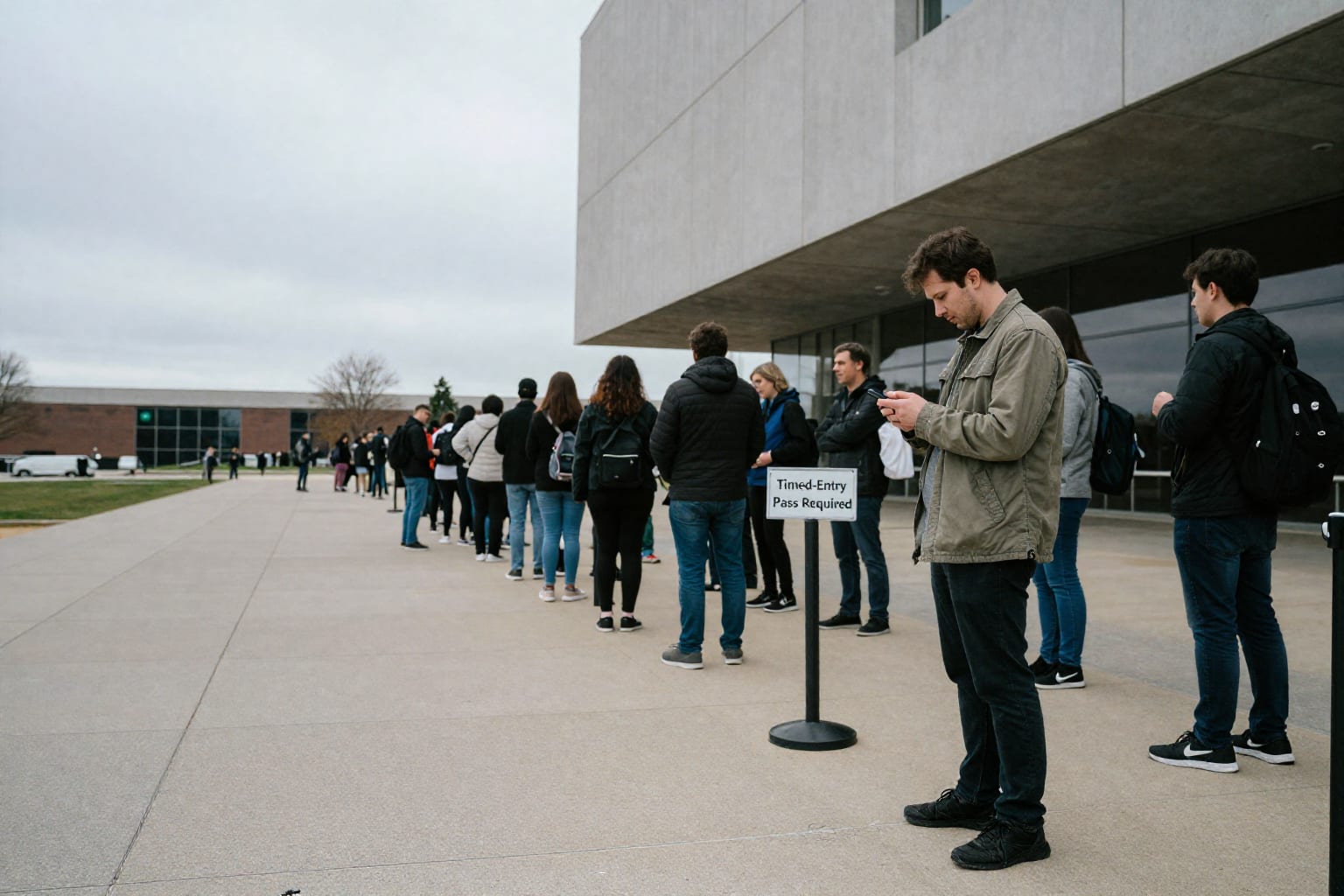
Last March, I stood in a line stretching three blocks from the National Air and Space Museum on a Tuesday morning. I’d assumed “free” meant “walk right in.” By the time I reached the entrance, I’d already burned an hour of the day and the only timed-entry slots left were for 4 p.m. That one mistake cost me a morning that could have been spent inside the Udvar-Hazy Center instead. The free museums in Washington DC are genuinely world-class—and genuinely tricky if you don’t plan for the hidden costs of time, logistics, and surprise fees. This article lays out the budget tips for visiting Washington DC all the free museums that I’ve picked up since, so you can keep the day cheap and the stress low.
Why Free Museums in DC Are a Budget Traveler’s Dream (But Planning Is Key)
The Smithsonian Institution runs 17 museums and galleries in the DC area, plus the National Zoo. Almost all of them charge zero dollars for entry. Add the National Gallery of Art, and you’ve got a dense cluster of top-tier collections—dinosaur fossils, lunar modules, the original Star-Spangled Banner—that would cost $25–35 a head in any other city. On paper, you can spend three days museum-hopping and never swipe a credit card at a ticket counter. That’s the dream.
The reality is that “free” still has a price tag if you don’t budget for the invisible line items. Parking near the National Mall runs $25–45 a day, and garages fill by 10 a.m. Museum cafeterias sell a slice of pizza and a soda for $14. The Air and Space Museum, the National Museum of African American History and Culture, and the Bureau of Engraving and Printing all require timed-entry passes that “sell out” online—though they’re still free if you grab them from the official site. Third-party resellers flip those free passes for $10–20 to tourists who don’t know better. I’ve watched people pay that fee on their phones while standing next to a ranger who could have told them the pass was free. The planning isn’t hard, but it’s non-negotiable. The right free museums Washington DC planning turns a chaotic morning into a smooth, genuinely cheap day.
The good news is that the biggest costs—transport, food, and time—are the easiest to slash once you know the workarounds. The tips below are ones I’ve tested myself, often the hard way, and they’re ordered roughly by how much money they save the average family of four in a single day.
9 Budget Tips for Navigating DC’s Free Museums Without Overspending
I’ve organized these DC museum free admission tricks from biggest savings to smallest, but every one of them fights a real money leak I’ve seen tourists fall into repeatedly. If you only steal three of these, make it numbers one, three, and five.
1. Skip the garage—use Metro’s $6 day pass instead
Parking near the Mall is the single fastest way to torch $40 before lunch. In 2026, daily garage rates around the Smithsonian stop are $28–45, and street parking is a myth unless you arrive before 7:30 a.m. The Metro, by contrast, sells a one-day unlimited pass for $5–6 per person (kids under 5 ride free). The Smithsonian stop on the Orange, Silver, and Blue lines exits right onto the Mall. L’Enfant Plaza serves the Air and Space Museum and the Museum of the American Indian. I’ve parked at the Greenbelt or Franconia-Springfield lots (free on weekends in 2026) and ridden in for the cost of the pass. The total for a family of four: $24 versus $120+ in parking and gas. Even if you’re staying outside the Beltway, this is the single biggest budget lever.
2. Pack a picnic instead of paying $14 for a cafeteria slice
Museum cafeterias are convenience priced, not value priced. The National Museum of Natural History’s Atrium Cafe charges $13.50 for a turkey sandwich and $4.50 for a bottle of water. A family of four can easily drop $70 on a forgettable lunch. My go-to: I hit the Trader Joe’s on 14th Street the night before and pack wraps, apples, and a couple of dark chocolate bars. The National Mall has acres of grass and benches. On a spring day, I’ll sit between the Washington Monument and the Smithsonian Castle and eat better food for $12 total. There are also food trucks along 14th Street and near L’Enfant Plaza that sell empanadas or falafel for $8–10—still cheaper than the cafeteria, but a packed lunch wins every time.
3. Snag timed-entry passes from the official site—never a reseller
This one makes me angry because I’ve watched it happen. The National Museum of African American History and Culture releases free passes online up to 30 days ahead, and they go fast. Same-day passes drop at 8:15 a.m. on the museum’s official site. Yet a quick Google search for “tickets” often surfaces resellers charging $10–25 per pass for the exact same thing. I once sat next to a couple who had paid $45 for two passes to the Air and Space Museum—passes that are free, always. Bookmark the official Smithsonian visit page and the museum’s own “visit” tab. Set a phone reminder for 8:10 a.m. if you need same-day slots. This is the single most actionable piece of budget tips for visiting Washington DC all the free museums I can give you, because it saves cash and the gut punch of realizing you got scammed.
4. Start at the far end of the Mall and walk toward the crowds
Most tourists enter at the Smithsonian Metro stop and hit the Natural History Museum first. By 11 a.m., that building is shoulder-to-shoulder. I start at the National Museum of American History or the National Gallery of Art’s East Building instead, then work westward. The crowds thin out in the afternoon, and I’m walking against the flow. This isn’t a direct money saver, but it saves time, and time is the currency that lets you see four museums in a day instead of two. Less waiting means less temptation to buy a $7 coffee just to kill time.

5. Bring refillable water bottles and use museum fountains
DC summers are humid and you’ll drink more water than you think. Bottled water from carts is $3–4. Every Smithsonian museum has water fountains and bottle-filling stations near the restrooms. I carry a 24-ounce insulated bottle per person and refill at every museum stop. On a 90-degree July day, my family of four saves roughly $25–30 just on hydration. It’s also the easiest zero-effort tip on this list.
6. Use the free museum apps instead of paid audio tours
Several Smithsonian museums now push their own free apps with narrated tours—the National Museum of Natural History and the National Gallery of Art both have solid ones. Yet I still see visitors renting $8 audio wands at the entrance. Download the apps on Wi-Fi before you leave the hotel and bring earbuds. The apps often include kid-friendly scavenger hunts that keep children engaged for an extra 45 minutes, which is priceless when you’re trying to stretch the day without spending a dime.
7. Time your visit for late-afternoon energy dips with free performances
Between 3 and 4 p.m., my kids’ energy tanks and the urge to buy a sugary snack spikes. I’ve learned to schedule that window near the National Gallery of Art’s free jazz concerts in the Sculpture Garden (summer Fridays) or the Kennedy Center’s free Millennium Stage shows (every evening at 6 p.m., a short Metro ride away). Both are genuinely good, free, and reset the day’s rhythm without a vending-machine bailout.
8. Skip the gift shop by giving kids a $5 souvenir budget beforehand
Museum gift shops are designed to extract $30 per child. I hand my kids a $5 bill before we enter the first museum and tell them that’s their souvenir budget for the entire day. Suddenly they’re price-checking postcards and magnets instead of begging for a $28 astronaut plushie. It turns a negotiation into a math lesson and keeps the day’s variable costs to a hard zero for me.
9. Check for free-entry days at the paid museums nearby
Not every DC museum is free. The Phillips Collection, the National Building Museum, and the Spy Museum charge $15–30. But several of them offer free community days once a month. The Phillips Collection, for example, hosts free admission days on the first Sunday of select months. If your trip dates are flexible, scan the calendars of the paid museums you’re curious about. Pairing one of those with a day of free Smithsonians gives you a premium experience for zero extra cost.
Bonus: Free Museums That Require Timed-Entry Tickets (And How to Get Them for Free)
As of 2026, the free museums DC timed entry tickets requirement applies to a handful of heavy hitters. The National Museum of African American History and Culture, the National Air and Space Museum (DC building), and the Bureau of Engraving and Printing all demand advance passes. The Air and Space Museum’s Virginia annex—the Udvar-Hazy Center—does not, which is a handy workaround if you’re willing to drive or take a longer Metro-plus-bus trip.
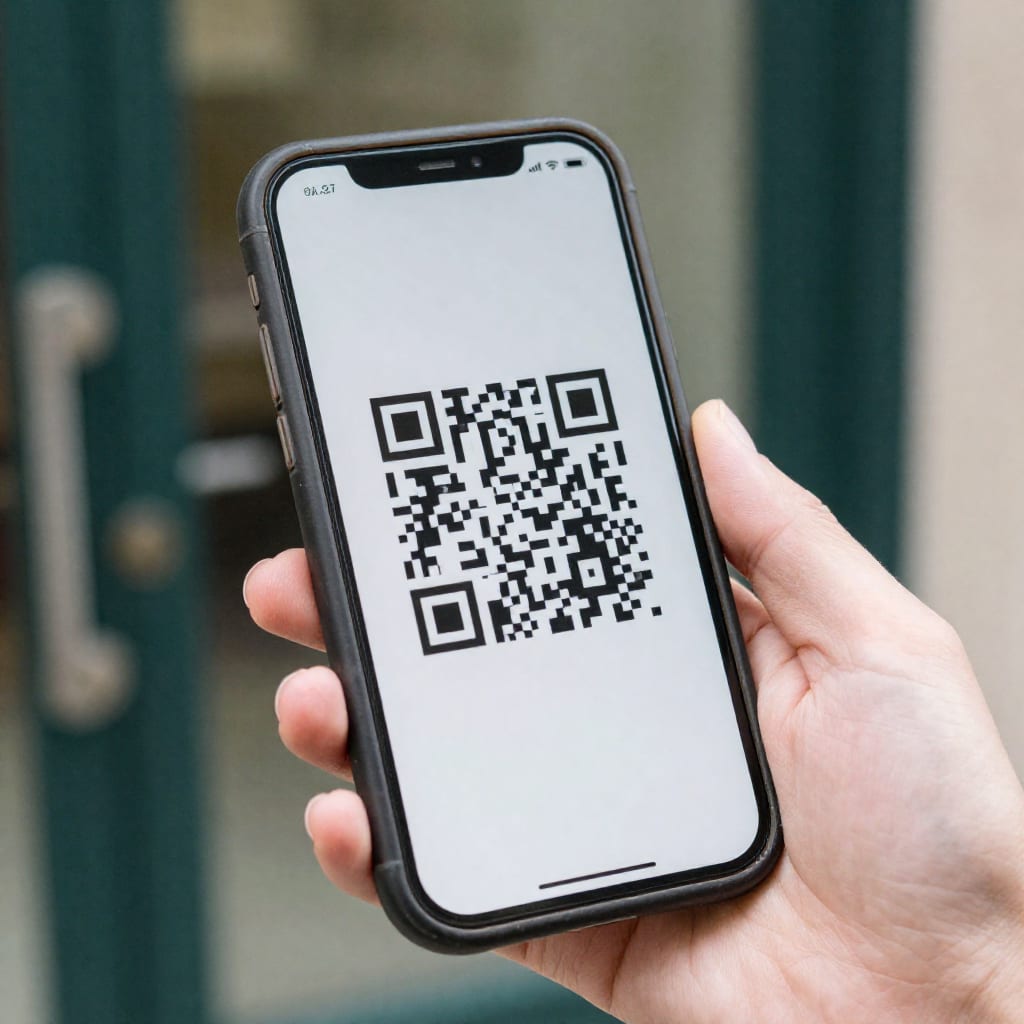
Here’s the step-by-step I use: Go to the museum’s official “Visit” page (not a third-party aggregator). Create a free account on the Smithsonian’s ticketing portal ahead of time so you’re not fumbling with passwords at 8:14 a.m. Timed passes for the next 30 days release at 8:00 a.m. Eastern daily, and same-day passes release at 8:15 a.m. For the African American History museum, I aim for a weekday slot between 10:00 and 11:30 a.m.—weekends vanish within minutes. Print the QR code or screenshot it; cell service is spotty near the Mall. There is no fee, ever. If you see a price, you’re on the wrong site.
How to Build a Full Day Around Free Museums Without Breaking the Bank
Here’s a real itinerary I’ve run twice with visiting friends. It costs a family of four under $50 total, including transport and food, and hits three major museums without feeling rushed.
8:30 a.m. – Park at a Metro station with free weekend parking (Greenbelt, for example). Buy one-day passes at the machine. Ride to L’Enfant Plaza.
9:15 a.m. – Enter the National Museum of the American Indian (no timed pass needed). The Mitsitam Cafe is the one museum eatery I’ll cautiously recommend—it’s pricey but interesting. Skip it today; grab a prepacked granola bar instead.
10:30 a.m. – Walk to the National Air and Space Museum with your pre-booked timed pass. Spend 90 minutes on the main floor.
12:00 p.m. – Picnic lunch on the Mall near the Hirshhorn Museum’s sculpture garden. The Hirshhorn itself is free and takes 45 minutes to browse the contemporary collection.
1:30 p.m. – Cross to the National Gallery of Art. The West Building is the crowd-pleaser (da Vinci, Rembrandt). The East Building’s modern art and rooftop terrace are a quieter afternoon reset.
3:30 p.m. – Walk back toward the Metro with a stop at the National Archives (free, but expect a 20-minute security line). The Declaration of Independence is a five-minute viewing that anchors the day.
4:30 p.m. – Metro back to the car. Total spent: $24 on Metro passes, $12 on packed lunch supplies, $5 on souvenir postcards. $41 for a six-hour, three-museum day in DC.
This cheap day in Washington DC museums rhythm works because it clusters walking distances and alternates high-energy stops with quieter ones. The biggest friction point is the timed-entry slot for Air and Space; book it a week ahead and the rest of the day falls into place.
One surprising insight I’ve come to trust: the lesser-known museums—the Freer Gallery of Art, the National Museum of Asian Art, the Renwick Gallery—often deliver the most memorable 45 minutes of the trip. They’re uncrowded, air-conditioned, and filled with pieces that don’t require a 30-minute wait to see. On a hot afternoon, the Freer’s Peacock Room is a dark, quiet, stunning refuge that costs nothing and asks for no ticket. That’s the kind of moment worth bookmarking this guide for.
If you’re mapping out your trip, save the official Smithsonian timed-entry page to your phone’s home screen before you arrive. It’s the one link that prevents the most avoidable mistake I see tourists make, and it keeps the “free” in free museums honest.