How to Make a Dutch Baby Pancake in a Cast Iron (5-Minute Prep)
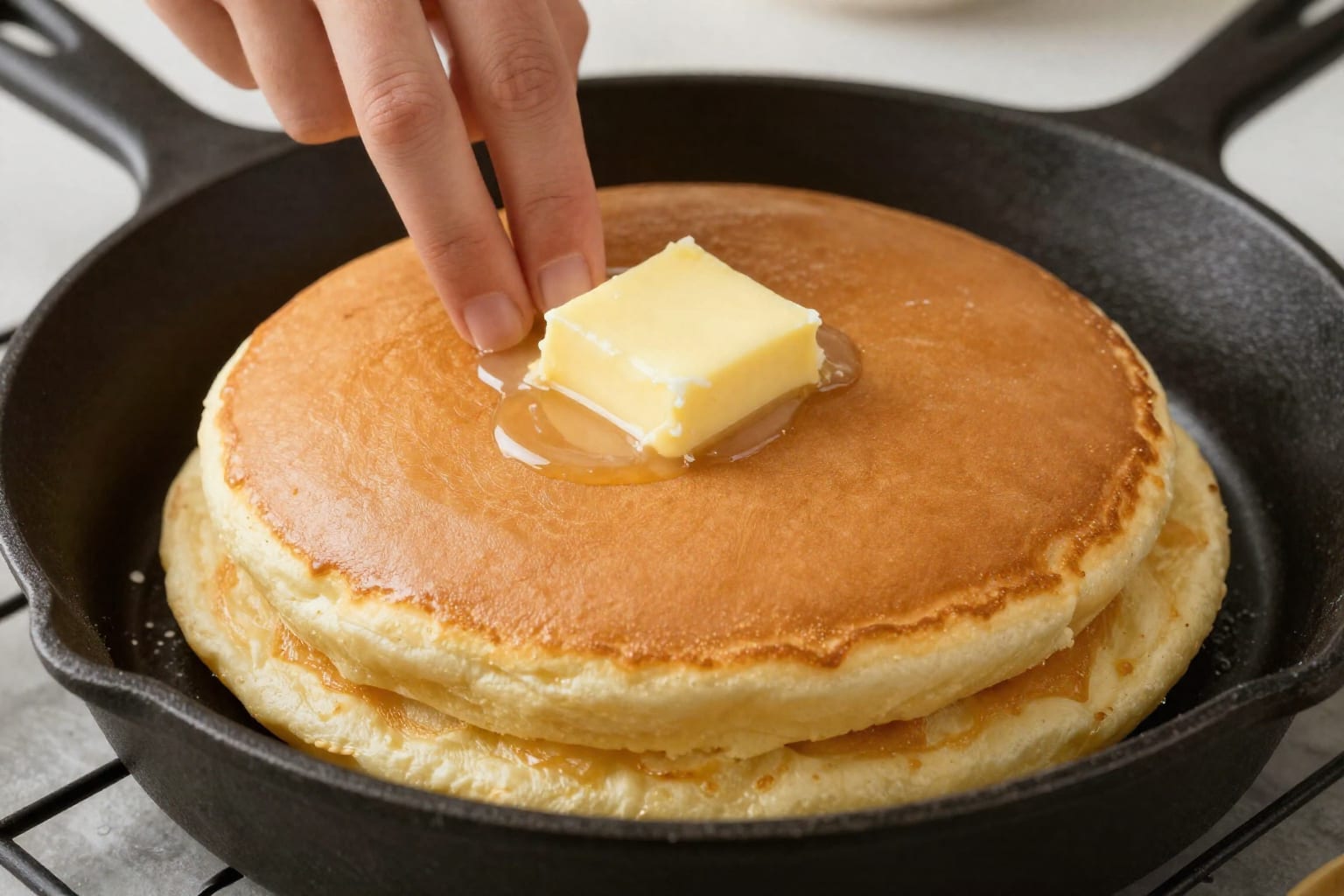
I pulled a Dutch baby out of the oven last Saturday, and my husband actually said, “That looks like a golden volcano.” And honestly? That’s exactly the point. A Dutch baby pancake—also called a German pancake or Bismarck—is the showstopper you can make in five minutes flat with a cast iron skillet. It puffs up like a soufflé, develops a buttery, crisp edge, and deflates into a custardy, eggy bowl just waiting for toppings. No flipping, no fussing, no pancake batter all over the counter. Here’s exactly how to make a Dutch baby pancake in a cast iron, with the real-world tips I’ve learned the hard way.
Why a Cast Iron Skillet Makes the Perfect Dutch Baby
If you already own a cast iron skillet, you’re halfway to a perfect puff. Here’s the thing: a Dutch baby needs intense, even heat to climb up the sides of the pan and set that dramatic rim. Cast iron holds heat like a bank vault. When you preheat it properly—and I’ll show you exactly how—the skillet stays screaming hot the moment the cold batter hits. That thermal shock is what creates the steam that forces the batter upward.
I’ve tested this in a glass pie dish and a stainless steel skillet. The glass dish gave me a sad, flat pancake that stuck everywhere. The stainless steel? It worked okay, but the sides browned unevenly because the heat wasn’t as consistent. Cast iron wins every time because it radiates heat from both the bottom and the walls. Plus, if your skillet is well-seasoned (or you add enough butter), nothing sticks. That’s the trifecta: heat retention, even browning, and non-stick release.
One more reason I reach for cast iron: the handle. You can grab it with a mitt right out of a 425°F oven without worrying about melting plastic or warping. It’s the workhorse of the kitchen, and for a Dutch baby, it’s the workhorse you want.
The 5-Minute Prep: Ingredients and Blending
Here’s the honest truth: the ingredient list is shorter than most pancake recipes. You need:
- 3 large eggs (room temperature is best, but cold works if you blend longer)
- ½ cup all-purpose flour
- ½ cup whole milk (2% works, but whole gives a richer custard)
- 1 tablespoon granulated sugar (optional for sweet versions)
- ½ teaspoon vanilla extract (optional, but I always add it)
- Pinch of salt
- 2 tablespoons unsalted butter (for the skillet)
The trick is to blend everything except the butter in a blender for 20 to 30 seconds. I use a standard countertop blender, but an immersion blender or even a whisk works if you’re patient. The goal is a smooth, frothy batter with no flour lumps. When I first tried this, I whisked by hand and ended up with lumpy edges that didn’t puff evenly. The blender method is foolproof—it aerates the batter just enough to give that initial lift.
Here’s a judgment call I’ll make for you: don’t skip the sugar if you’re planning a sweet topping. Even a pinch helps the edges caramelize. For a savory version, swap the sugar for a crack of black pepper and a pinch of grated Parmesan mixed into the batter. I’ve done both, and the savory version is wildly underrated—think of it as a giant popover you can top with smoked salmon and crème fraîche.
The whole prep takes five minutes, and that includes pulling the eggs from the fridge. No resting time needed. Just blend, melt butter in the hot skillet, pour, and bake. That’s it.
How to Bake a Dutch Baby in a Cast Iron (Step-by-Step)
Now for the part that matters: the actual process. I’ve baked dozens of Dutch babies, and I’ve made every mistake you can imagine—opening the oven door too early, using a cold skillet, forgetting the butter. Here’s the sequence that never fails.
- Preheat your cast iron skillet inside the oven. Place your 10-inch cast iron skillet on the center rack, then preheat the oven to 425°F. Let the skillet heat for a full 10 minutes after the oven reaches temperature. This step is non-negotiable. A cold skillet = a flat pancake.
- Melt the butter in the hot skillet. Carefully pull the skillet out using a thick oven mitt. Add the 2 tablespoons of butter and swirl it until it’s fully melted and sizzling. The butter should foam slightly but not brown—if it browns, your oven is too hot, and you’ll get a scorched bottom.
- Pour the batter directly into the center of the skillet. Don’t stir. Don’t tilt the pan yet. Just pour and watch the batter spread under the butter. Then quickly tilt the skillet to coat the sides about an inch up. This helps the edges climb.
- Bake without opening the door for 18 to 20 minutes. I set a timer for 18 minutes and peek through the oven window. The Dutch baby should be puffed dramatically, with golden-brown peaks and a slightly darker rim. If it looks pale, give it two more minutes.
- Serve immediately. As soon as it comes out, it will start deflating. That’s normal and part of the charm. Top it with powdered sugar, lemon juice, fresh fruit, or whatever you like, and eat within five minutes.
One concrete example from my own kitchen: last month I forgot to preheat the skillet and just added butter to a cold pan. The Dutch baby came out flat as a crepe and stuck to the bottom. I had to scrape it out with a spatula and ended up with scrambled pancake bits. Lesson learned—the preheat is everything.
Troubleshooting: Why Your Dutch Baby Didn't Puff (and How to Fix It)
Even after all that practice, I still have the occasional flat Dutch baby. Here’s what usually goes wrong and how to fix it:
- Flat and dense: The skillet wasn’t hot enough when the batter hit. Solution: preheat the skillet for the full 10 minutes at 425°F. Also, check your oven temperature with an oven thermometer—mine runs 25°F cooler than the dial says.
- Soggy center: You underbaked it. The center should be set and slightly puffed, not wet. Bake for at least 18 minutes, and don’t open the oven door during the first 15 minutes.
- Sticking to the pan: Either the skillet wasn’t seasoned well, or you didn’t use enough butter. Make sure the butter sizzles when you add it, and don’t skimp on the fat.
- Uneven puffing: The batter might have been lumpy. Blend it longer, or strain it through a fine-mesh sieve before pouring.
One counter-intuitive insight: if your Dutch baby puffs beautifully but collapses into a flat disc the second you take it out, that’s actually a good sign. It means the structure was light and airy. To keep it puffed longer, serve it on a warm plate and don’t cut into it until everyone is seated. But honestly, the collapse is part of the theater—it’s supposed to happen.
Serving Ideas and Variations to Make It Your Own
Here’s where the Dutch baby becomes your canvas. For a classic sweet version, dust with powdered sugar, squeeze half a lemon over the top, and add a handful of fresh berries. That’s my go-to Sunday breakfast, and it disappears in three minutes.
For a savory twist, skip the sugar and vanilla, and after baking, top the Dutch baby with sautéed mushrooms, arugula, and a fried egg. The egg yolk running into the custardy pancake is pure magic. I served this for a brunch party once, and everyone asked for the recipe—they couldn’t believe it came from the same batter.
Other variations I’ve tried and loved:
- Apple cinnamon: Thinly slice one apple and sauté it in the butter before pouring the batter. Sprinkle cinnamon sugar on top before baking.
- Chocolate hazelnut: Add a tablespoon of cocoa powder to the batter and top with Nutella and sliced bananas.
- Herb and cheese: Fold in ¼ cup grated Gruyère and 1 teaspoon fresh thyme into the batter, then bake and serve with prosciutto.
The beauty of a Dutch baby is that it’s forgiving. You can swap the milk for oat milk (full-fat works best), use gluten-free flour blend (I’ve done it—it puffs a little less but still works), or add a tablespoon of melted butter to the batter for extra richness. Experiment, and don’t stress if it’s not perfect the first time.
Practical Takeaway
If you take one thing from this article, let it be this: a Dutch baby pancake in a cast iron skillet is the fastest way to impress yourself and everyone at your table. The prep takes five minutes, the bake takes 18, and the wow factor is off the charts. Preheat the skillet, blend the batter, and don’t open the oven door. That’s the whole secret. Worth bookmarking before your next lazy weekend morning.